This guide explains how to evaluate Indeed pick packer vacancies, understand daily warehouse duties, and prepare a stronger application. Pick packers select products, verify orders, package goods, update inventory records, and follow workplace safety procedures. The role appears across retail, e-commerce, manufacturing, grocery, and third-party logistics operations, with requirements varying according to the employer, facility, equipment, shift pattern, and level of responsibility.

Searching for an Indeed Pick Packer position can be a practical way to explore warehouse, distribution, retail fulfilment, and logistics employment. The phrase generally refers to pick-and-pack jobs advertised on Indeed, rather than to a particular employer, qualification, or warehouse system. A candidate who searches carefully can compare responsibilities, working conditions, shift schedules, pay information, contract types, and application requirements before deciding which vacancies deserve attention.
Pick packers occupy an important point in the order fulfilment process. They help ensure that the correct products are selected, checked, packaged, labelled, and transferred to the next stage of delivery. Although the work may appear straightforward from the outside, a well-managed picking and packing operation depends on accuracy, pace, product knowledge, safe movement, and reliable record keeping.
From an industry perspective, the strongest applicants do not treat these vacancies as interchangeable. A small retail stockroom, a temperature-controlled grocery facility, a pharmaceutical warehouse, and a high-volume e-commerce centre can all advertise pick packer roles while expecting very different capabilities. Reviewing the job description in detail is therefore more valuable than relying on the job title alone.
A pick packer usually completes two connected stages of order fulfilment. The picking stage involves locating and removing the required products from storage. The packing stage involves checking the items, selecting suitable packaging, protecting the contents, applying labels, and preparing the order for dispatch.
In practice, the work may include the following activities:
The precise balance between picking and packing depends on the facility. Some employers separate the two functions into distinct teams. Others expect one employee to manage the complete process from stock location to dispatch. A vacancy that uses the word “picker” may focus primarily on collection, while a “packer” role may be centred on inspection and shipment preparation. Many employers combine both terms because employees are expected to move between tasks during the shift.
Pick packers may also be involved in supporting activities. These can include replenishing forward-pick locations, sorting returned products, printing replacement labels, checking delivery paperwork, preparing promotional bundles, or assisting with stock counts. In smaller operations, the same employee may unload a delivery in the morning and prepare customer orders later in the day.
Warehouse performance is often discussed in terms of speed, but accuracy is equally important. An order that is dispatched quickly but contains the wrong product can create returns, additional transport, customer dissatisfaction, inventory discrepancies, and further administrative work. For that reason, employers commonly assess whether candidates can maintain concentration while completing repetitive or time-sensitive tasks.
Accuracy involves more than selecting the right item. A pick packer may need to distinguish between similar product codes, confirm quantities, inspect packaging, identify expiry or batch information, and use the correct delivery label. In a facility serving business customers, a small error may interrupt a production schedule. In direct-to-consumer fulfilment, it may result in a replacement order or return.
An industry expert would advise applicants to describe accuracy in practical terms during an application or interview. Rather than simply writing “hard-working,” a candidate could explain that they compare product codes with the order record, scan each item where required, and report discrepancies before packing. This demonstrates a process-oriented approach that is more useful to a warehouse manager.
Accuracy also supports inventory control. When the system says that ten units are stored in a location but only seven are actually present, future orders may be delayed and employees may waste time searching. Consistent scanning, correct location handling, and prompt reporting help the warehouse maintain more reliable information. A pick packer may therefore contribute to inventory quality even when inventory control is not the primary job title.
Indeed pick packer vacancies can appear in a wide range of operating environments. The products, equipment, safety controls, and workflow may differ considerably from one site to another.
| Work environment | Typical characteristics | Points to examine in the vacancy |
|---|---|---|
| E-commerce fulfilment centre | Large order volumes, barcode scanning, conveyor systems, and structured performance procedures | Order volume, shift length, walking requirements, technology used, and training arrangements |
| Retail distribution warehouse | Cartons, pallets, store replenishment, scheduled dispatches, and product categorisation | Manual handling, pallet movement, early starts, and seasonal demand |
| Grocery or food facility | Food-handling controls, product rotation, chilled or frozen areas, and strict stock procedures | Temperature exposure, hygiene standards, protective clothing, and lifting expectations |
| Manufacturing stores | Components, tools, parts, production supplies, and internal delivery requirements | Technical product knowledge, inventory systems, and coordination with production teams |
| Third-party logistics operation | Multiple clients, varied stock profiles, and changing fulfilment requirements | Adaptability, client-specific procedures, and changing workload patterns |
| Small warehouse or stockroom | Broader responsibilities, direct communication, and less specialised task division | Whether the role includes receiving, stock counts, dispatch, and general warehouse duties |
| Medical or pharmaceutical distribution | Strict documentation, controlled storage, batch tracking, and high accuracy expectations | Required checks, temperature controls, product sensitivity, and compliance training |
| Apparel and fashion fulfilment | Frequent product variations, size and colour checks, folding, tagging, and returns processing | Product identification, presentation standards, and seasonal workload |
The table is intended as a comparison framework rather than a guarantee of conditions. A vacancy should always be assessed on its own wording, because two employers in the same sector may use different systems and procedures.
Job descriptions can contain substantial information, but it is easy to focus only on the title and headline pay figure. A more reliable approach is to read the advertisement in sections and separate confirmed requirements from broad promotional language.
Look for verbs such as pick, pack, scan, load, replenish, count, receive, label, inspect, and dispatch. These words reveal how broad the role may be. If the advertisement also includes unloading deliveries, operating equipment, processing returns, and maintaining inventory records, the position may involve more than standard order packing.
Determine whether the vacancy is permanent, temporary, casual, seasonal, part-time, full-time, agency-based, or contract-based. The arrangement can affect scheduling, continuity of work, eligibility for workplace benefits, and the employer’s expectations about availability. If the description is unclear, candidates should ask for clarification before accepting an offer.
Warehouse operations may run during mornings, afternoons, evenings, nights, weekends, or rotating schedules. A candidate should check the actual start and finish times, not just the label “day shift” or “flexible shift.” Travel arrangements also deserve attention, especially where public transport is limited outside standard commuting hours.
Some vacancies mention prolonged standing, walking, bending, reaching, repetitive hand movement, or lifting. These statements should be read as practical information about the job rather than as minor details. A safe employer should communicate task requirements and provide appropriate procedures, equipment, and instruction.
A job description may list warehouse experience, computer familiarity, equipment training, a driving licence, or previous work with inventory systems. Note which items are mandatory and which are desirable. Candidates should not assume that the absence of one preferred qualification automatically prevents an application.
Check whether the role is based at one facility or involves more than one site. It is also useful to identify the likely supervisor, such as a warehouse manager, team leader, fulfilment supervisor, or inventory coordinator. The reporting structure can indicate how work is allocated and how performance feedback is provided.
Phrases such as “fast-paced,” “high-volume,” “deadline-driven,” or “must thrive under pressure” may indicate busy periods, strict dispatch cut-offs, or frequent changes in priority. These phrases are not necessarily negative, but candidates should ask what they mean in practical terms. A useful question is whether workload varies by season, day of the week, or customer demand.
Employers commonly seek a mixture of operational, physical, and interpersonal skills. Experience is useful, but many entry-level roles place significant emphasis on dependability, attention to detail, and willingness to follow established procedures.
Pick packers must notice differences between similar products and identify mistakes before an order leaves the facility. Careful reading, barcode verification, and methodical checking are practical expressions of attention to detail.
Many facilities use handheld scanners, warehouse management software, electronic order screens, printers, and inventory databases. Applicants do not necessarily need advanced technical knowledge, but they should be comfortable learning workplace systems and entering or confirming information accurately.
Warehouse work is often organised around dispatch cut-off times, delivery schedules, replenishment windows, or production requirements. Effective workers understand priorities, avoid unnecessary delays, and ask for guidance when competing instructions arise.
Safe movement is essential. Employees may need to work around shelving, pallets, conveyors, forklifts, trolleys, and other workers. Awareness of surroundings helps reduce collisions, dropped products, and unsafe manual-handling practices.
Distribution operations depend on coordinated teams. Late arrival, unexplained absence, or failure to complete a handover can affect colleagues and dispatch schedules. Employers therefore often value consistent attendance and clear communication.
A pick packer may need to report stock shortages, damaged goods, unclear instructions, equipment faults, or safety concerns. Concise communication helps supervisors resolve problems before they affect multiple orders.
Product ranges, software systems, customer requirements, and workload levels can change. A worker who can learn revised procedures without abandoning accuracy is valuable in a changing fulfilment environment.
Not every warehouse problem can be solved by following the first instruction on a screen. A location may be empty, a label may not scan, or a product may appear different from the description. The expected response is not to improvise recklessly, but to follow the escalation process, check approved alternatives, and keep the order record accurate.
Requirements vary according to the goods handled and the equipment used. Some entry-level vacancies provide site-specific induction and task training. Others prefer applicants who have already worked in warehousing, retail stock control, dispatch, manufacturing stores, or logistics.
Potentially relevant experience includes:
Equipment-related qualifications should be treated separately from general warehouse experience. A person who has packed cartons may not automatically be authorised to operate a forklift, powered pallet truck, reach truck, or other specialised equipment. The relevant employer and local regulatory framework determine whether additional training or certification is required.
Applicants should never claim qualifications they do not hold. A clear statement such as “experienced with handheld scanning and willing to complete site-specific equipment training” is more credible than an unsupported claim of broad machinery competence.
People entering the industry can often improve their prospects by learning basic warehouse terminology. Terms such as stock keeping unit, pick face, put-away, replenishment, dispatch, goods-in, cycle count, batch number, lot number, and first-in-first-out may appear in advertisements or training materials. Understanding these terms is helpful, although employers should still provide instruction on their own procedures.
A resume for an Indeed pick packer vacancy should be concise, accurate, and closely aligned with the advertisement. The goal is to show that the applicant understands the work and can contribute safely and reliably.
The opening profile should mention relevant experience, work habits, and operational strengths. For example, a candidate might refer to experience in order preparation, stock handling, barcode scanning, product checking, and maintaining an organised work area. The profile should be factual and avoid exaggerated performance claims.
Instead of writing only “worked in a warehouse,” explain the tasks performed. Useful descriptions may include:
Where accurate and permitted, candidates can include measurable details such as the size of a team, the type of product handled, the shift pattern, or the scope of responsibilities. Metrics should be honest and should not imply a level of performance that cannot be supported.
Applicants without direct warehouse experience may still have relevant skills from supermarkets, hospitality, manufacturing, cleaning, agriculture, event operations, or retail. Stock rotation, order checking, safe lifting, customer order preparation, punctuality, and working under time pressure can all be presented in a relevant manner.
Use consistent headings, readable dates, short bullet points, and standard job titles where appropriate. A complicated design can make important information difficult to find. Recruiters and hiring managers usually need to identify relevant experience quickly.
If the advertisement repeatedly refers to scanning, dispatch, inventory, picking, packing, replenishment, or warehouse systems, relevant experience with those activities should appear in the resume where truthful. Keywords should describe actual abilities rather than being added as a disconnected list.
Before applying, candidates should compare the vacancy with their actual availability and capabilities. This prevents avoidable misunderstandings and creates a stronger basis for interview discussion.
It is sensible to retain a copy of the original job description because online advertisements can be edited or removed. The saved information can help the applicant prepare relevant examples and confirm what was originally communicated.
Applicants should also make sure that voicemail and email accounts are monitored. Warehouse recruiters may contact candidates quickly when a shift needs to be filled. A professional voicemail message, a suitable email address, and a prompt but courteous response can help maintain credibility.
Interviews for warehouse roles may be brief, but candidates should still prepare thoughtful answers. Employers are often trying to establish whether the person can work safely, follow instructions, maintain accuracy, and communicate operational problems.
A useful answer connects the candidate’s experience or interests with the work itself. The response could mention enjoyment of structured tasks, practical teamwork, inventory handling, or order fulfilment. It is better to demonstrate a realistic understanding of the job than to rely on general statements about needing employment.
A strong answer might describe checking the location, product code, description, quantity, and scanner confirmation before moving the item to packing. If an inconsistency remains, the candidate should explain that they would pause and report it rather than guess.
The appropriate response is usually to recheck the location and surrounding stock, follow the facility’s search procedure, and notify the responsible person. Unauthorised substitutions or silent adjustments can create larger inventory problems.
Candidates can discuss following training, using the correct lifting technique, keeping pathways clear, taking authorised breaks, reporting hazards, and avoiding shortcuts. Safety should be presented as part of good performance, not as an obstacle to productivity.
A suitable answer would include isolating the item according to procedure, recording or reporting the damage, and preventing it from entering the dispatch stream. The exact process depends on the employer’s quality and inventory controls.
Answer honestly. If availability is limited, state the available times clearly. Overstating availability may help secure an interview but can create immediate scheduling difficulties after hiring.
This question gives candidates an opportunity to show responsibility. A useful answer explains the situation, the checking method used, the action taken, and the result. Candidates should not pretend never to make mistakes; employers are often more interested in whether a worker reports and learns from them.
A professional answer should emphasise checking the current instruction, asking the supervisor to confirm the priority, and communicating any impact on another task. Quietly choosing one instruction while ignoring another can create avoidable delays.
Warehouse safety is a shared responsibility involving the employer, supervisors, and workers. Employers should provide appropriate instruction, risk controls, equipment, and personal protective equipment according to the tasks and the applicable workplace regulations. Workers are expected to follow procedures, use equipment correctly, and report hazards or injuries.
Common risk areas include:
Applicants should ask sensible questions about induction, lifting procedures, protective equipment, and reporting channels. A professional employer should be prepared to explain how new workers are introduced to the site and how safety concerns are handled.
Regulatory expectations differ by jurisdiction, but recognised workplace safety authorities such as the Occupational Safety and Health Administration in the United States and the Health and Safety Executive in the United Kingdom publish guidance on topics including warehousing, manual handling, workplace transport, and material storage. Candidates should consult the authority relevant to their location when they need formal legal or safety information.
Workers should also understand that discomfort, fatigue, or a near miss can be important information. Reporting a hazard is not the same as complaining about ordinary work. A loose pallet, obstructed fire exit, damaged trolley, or leaking container can affect the entire team and should be dealt with through the correct reporting process.
Many warehouse operations monitor output, but responsible productivity is not simply a matter of moving as quickly as possible. A sustainable process balances pace, accuracy, safety, and equipment care.
Several habits can support that balance:
Experienced supervisors generally recognise that error correction consumes time. A careful worker who prevents incorrect dispatches may contribute more value than a worker who produces higher apparent volume but requires repeated corrections. Candidates can express this understanding during an interview without making unsupported claims about specific productivity targets.
Good productivity also involves preparation. Arriving with suitable footwear, understanding the shift plan, checking equipment before use, and keeping supplies available can reduce delays. At the same time, preparation should never involve bypassing a required safety check or using damaged equipment.
Technology varies by employer, but many warehouses use a combination of barcode scanners, warehouse management systems, printers, digital picking lists, inventory databases, conveyor controls, and electronic dispatch platforms. Some operations also use voice-directed picking, pick-to-light systems, automated storage equipment, or robotic assistance.
The presence of technology does not remove the need for human judgement. A worker may still need to identify damaged packaging, recognise an unsafe condition, interpret an unclear label, or escalate a stock discrepancy. Systems can support consistency, but they depend on accurate input and sensible decisions.
Applicants who are unfamiliar with a particular platform can focus on transferable digital habits. Experience using point-of-sale systems, stock databases, handheld devices, electronic forms, or dispatch software may demonstrate the ability to learn a new interface. Employers should provide instruction on their own systems and access controls.
Technology can also change how performance is measured. A scanner may record transaction time, location, exceptions, and completed orders. Workers should use the system as instructed and raise technical faults rather than repeatedly entering inaccurate information. A faulty scanner or printer can create a chain of incorrect records if the problem is hidden.
Compensation for pick packer work varies according to location, industry, experience, shift timing, employer, employment arrangement, and legal requirements. It is not responsible to assume that one advertised figure applies to every vacancy. Some listings provide an hourly rate, while others present a salary range or describe compensation during the hiring process.
When comparing offers, candidates should review more than the headline amount. Important considerations may include:
Applicants should obtain important conditions in writing and ask questions about any unclear term. Employment law and minimum standards differ between jurisdictions, so formal advice should come from the relevant labour authority, recognised union, or qualified employment adviser.
A candidate may also wish to calculate the practical value of an offer. A slightly higher hourly rate may not be advantageous if the role requires expensive travel, unpredictable unpaid waiting time, or a schedule that cannot be maintained. The best choice depends on the full combination of pay, hours, reliability, location, safety, and future opportunity.
Online job searches require a degree of verification. Candidates should examine whether the employer is identifiable, whether the duties are described clearly, and whether the application process is consistent with normal hiring practice.
Useful checks include:
Indeed is a job-search platform, not a guarantee that every advertisement represents the same employer or employment standard. Platform users should evaluate each listing independently and use appropriate caution with personal information. Genuine recruitment processes may request documentation at a suitable stage, but candidates should understand why the information is needed and who will handle it.
Unexpected requests to transfer money, purchase gift cards, install unknown software, or provide sensitive financial details before a formal offer should be treated as warning signs. Applicants can report suspicious listings through the platform and seek advice from relevant consumer or employment authorities.
Pick packer work can provide exposure to warehouse systems and supply-chain operations. Progression is not automatic, but employees who build reliable operational knowledge may later pursue positions such as team leader, inventory clerk, receiving coordinator, dispatch coordinator, quality assistant, warehouse administrator, or operations supervisor.
Potential development areas include:
A useful career strategy is to become dependable in the core role while seeking an accurate understanding of the wider operation. Learning how receiving, storage, picking, packing, returns, and dispatch connect can help an employee identify suitable next steps.
Employees who want progression should keep a record of completed training, new responsibilities, positive feedback, and examples of process improvement. They can then discuss development goals with a supervisor at an appropriate time. Progression may require additional qualifications, but practical experience and a strong safety record can also be important.
Before accepting an Indeed pick packer offer, candidates should confirm the following conditions with the employer or authorised recruiter:
| Area | Questions to confirm |
|---|---|
| Employment status | Is the position permanent, temporary, seasonal, agency-based, part-time, or full-time? |
| Hours | What are the guaranteed hours, normal shift times, and expectations for additional work? |
| Work location | What is the exact facility, and is travel between sites required? |
| Daily duties | Does the role include receiving, returns, loading, stock counts, or general cleaning? |
| Physical demands | What lifting, walking, standing, bending, or temperature conditions apply? |
| Equipment | Which scanners, vehicles, tools, or warehouse systems are used? |
| Training | What induction and task-specific training are provided before independent work? |
| Pay structure | What is the confirmed rate or salary, and how are overtime or shift premiums handled? |
| Safety | What protective equipment, reporting procedures, and manual-handling controls are in place? |
| Performance expectations | How are accuracy, attendance, quality, and productivity assessed? |
| Start arrangements | What documents, identification, clothing, and arrival instructions are required on the first day? |
This checklist is a decision-making aid. It does not replace an employment contract or local legal guidance. The written offer should be consistent with the information discussed during recruitment.
A structured search can make Indeed pick packer results easier to compare. The following process is suitable for applicants with or without previous warehouse experience.
Decide whether full-time, part-time, temporary, weekend, evening, or rotating work is realistic. Clear preferences help reduce unsuitable results and make discussions with recruiters more direct.
Employers may use titles such as order picker, warehouse operative, fulfilment associate, dispatch assistant, warehouse assistant, stock handler, or packer. Searching related terms can reveal roles with similar duties but different naming conventions.
Read beyond the first paragraph. Note the products, equipment, schedule, physical requirements, experience expectations, and application instructions.
Consider travel, hours, work environment, training, pay clarity, and role relevance. The most visible or recently posted listing is not necessarily the most suitable.
Bring relevant skills to the front. A candidate with retail experience might emphasise stock replenishment and product checking, while a manufacturing applicant might highlight component handling and production support.
Think of situations involving a mistake prevented, a stock discrepancy reported, a difficult workload managed, or a safety issue addressed. Specific examples are more persuasive than general adjectives.
Before accepting, confirm the employer, location, employment status, hours, compensation, and starting arrangements in writing.
If the first search does not lead to an offer, applicants can use the process to identify missing skills. Short-term retail stock work, inventory projects, approved safety training, or experience with digital systems may strengthen later applications.
Several avoidable mistakes can weaken an otherwise suitable application. One is using the same generic resume for every vacancy. Another is failing to explain short employment periods or availability where the employer has specifically requested that information. Some candidates also focus heavily on speed while saying little about accuracy or safety.
Other issues include:
Professional applications are not necessarily lengthy. They are relevant, truthful, and easy to review. A concise resume that clearly connects previous duties to the vacancy can be more effective than a document filled with unrelated information.
From an operations perspective, a dependable pick packer contributes through repeatable behaviour. The most useful qualities are often modest but essential: arriving prepared, following the process, checking details, handling goods appropriately, reporting exceptions, and supporting the team during changing workloads.
Supervisors also value workers who understand the difference between a normal variation and a genuine problem. For example, a delayed item may require a location check, while a damaged chemical container or unsafe aisle requires immediate escalation under the site’s procedures. Good judgement means knowing when to continue, when to pause, and when to request help.
Applicants can communicate this mindset by describing how they balance output with quality. They should avoid claiming that they would bypass a scan, ignore a warning, or work through an unsafe condition to meet a target. Such statements may suggest poor risk awareness rather than commitment.
Employers also notice how candidates respond to routine work. Picking and packing can involve repeated tasks, but each order still requires attention. A candidate who understands the importance of consistent process control is more likely to adapt successfully than someone who expects every shift to involve constant variety.
Demand can increase around holidays, promotions, product launches, weather events, or major sales campaigns. During busy periods, teamwork becomes especially important. Employees may be moved between picking, packing, replenishment, returns, and dispatch depending on the immediate need.
Effective teamwork includes giving clear handovers, returning tools and equipment to their assigned locations, keeping shared areas organised, and notifying colleagues when a problem affects their task. It also means respecting the division of responsibility. A worker should help where possible but should not perform an unfamiliar or restricted task without instruction.
New employees can contribute by asking focused questions and listening carefully during briefings. When an instruction changes, repeating the key detail back to the team leader can prevent misunderstandings. A calm approach is particularly valuable when orders are time-sensitive.
Many pick packer roles include returns processing. Returned products may need to be inspected, separated, relabelled, cleaned, repackaged, quarantined, or sent for further assessment. The correct action depends on the product and the employer’s policy.
Returns should not automatically be placed back into available stock. Packaging may be opened, components may be missing, or the product may have been exposed to unsuitable conditions. Pick packers should follow the required inspection and recording process and ask for guidance when the disposition is uncertain.
Damaged goods also require careful handling. Crushing, leaks, broken seals, incorrect labels, or contamination may create quality, safety, or customer-service concerns. Reporting such issues promptly protects the order process and gives the employer an opportunity to investigate patterns in transport, storage, or packaging.
Grocery, food, floral, laboratory, and pharmaceutical operations may include chilled, frozen, or temperature-controlled areas. These environments can require protective garments, hygiene procedures, restricted time in certain zones, and careful monitoring of product conditions.
Candidates should ask how much of the shift is spent in each temperature area, what protective clothing is supplied, and how breaks are managed. They should also understand whether products need to be packed with special liners, cooling materials, or time-sensitive labels. The work may be suitable for many people, but the conditions should be understood before acceptance.
An Indeed pick packer search is most effective when treated as a comparison exercise rather than a quick response to a job title. The best candidate decisions come from understanding the complete workflow, checking the actual conditions, presenting relevant evidence, and verifying the employer’s expectations.
Pick-and-pack work rewards consistency. Accuracy protects customers and inventory, safe methods protect workers, and clear communication supports the wider operation. Applicants who demonstrate these qualities in their resume and interview can present a credible case even when their previous experience comes from outside logistics.
Before applying, review the duties and schedule. During the hiring process, ask precise questions. Before accepting, confirm the conditions in writing. This careful approach helps candidates identify suitable opportunities and gives employers a clearer view of the contribution they can make.
For someone beginning a logistics career, a pick packer position can provide practical knowledge of how products move through a supply chain. The role may introduce the worker to inventory accuracy, customer expectations, warehouse technology, workplace safety, and team coordination. For an experienced applicant, it can also be a route into more specialised fulfilment or distribution responsibilities.
The strongest search strategy is therefore both immediate and long term. Candidates should look for work that meets their current needs while also considering whether the employer provides training, stable scheduling, constructive supervision, and opportunities to learn. By combining careful research with an accurate application, applicants can approach Indeed pick packer opportunities with greater confidence and make more informed employment decisions.
Striking the Perfect Balance: Navigating Premiums and Out-of-Pocket Expenses in Senior Insurance Plans

Explore the Tranquil Bliss of Idyllic Rural Retreats

How to Make Lasting Memories at Disneyland Attractions

Affordable Phones and Plans for Seniors

Affordable Full Mouth Dental Implants Near You

Unlock the Top Kept Secrets to Finding Your Ideal Dentist for Flawless Dental Implant Results!

Discovering Springdale Estates

Unveiling RS Sul Telecom Services

The Guide to Car Trading


Understanding Indeed Pick Packer Jobs
This guide explains how to evaluate an Indeed Pick Packer job, including daily duties, warehouse expectations, essential skills, pay and schedule questions, application strategies, and workplace safety considerations. A pick packer typically selects products, checks order accuracy, prepares parcels, and records inventory movements. The role supports efficient fulfillment across retail, manufacturing, logistics, and e-commerce operations, with requirements varying by employer, facility, shift, and local labor regulations.

Indeed Pick Packer Jobs: A Practical Career Guide
This guide explains how to evaluate Indeed Pick Packer vacancies, understand daily warehouse duties, compare employment conditions, and prepare a strong application. A pick packer selects products, checks order accuracy, packs shipments, and helps maintain efficient inventory flow. The role can suit entry-level applicants, although employers commonly assess reliability, physical readiness, attention to detail, safe work practices, and the ability to use warehouse technology.
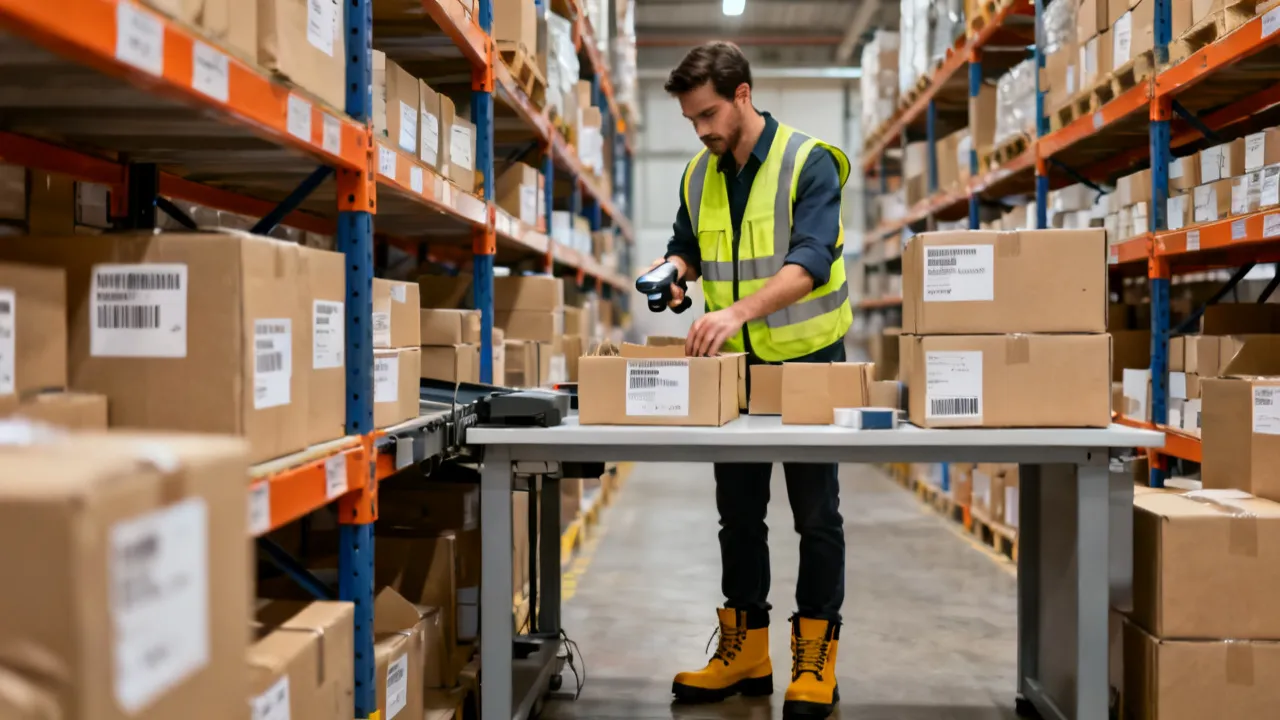
Indeed Pick Packer Jobs: A Practical Career Guide
This guide explains how to evaluate an Indeed Pick Packer listing, understand daily warehouse duties, compare employment conditions, and prepare a stronger application. Pick packers retrieve products, verify orders, package goods, and support accurate dispatch in warehouses, distribution centers, and retail supply chains. The role may suit candidates seeking structured, hands-on work, although schedules, physical demands, training, pay, and progression vary by employer and location.
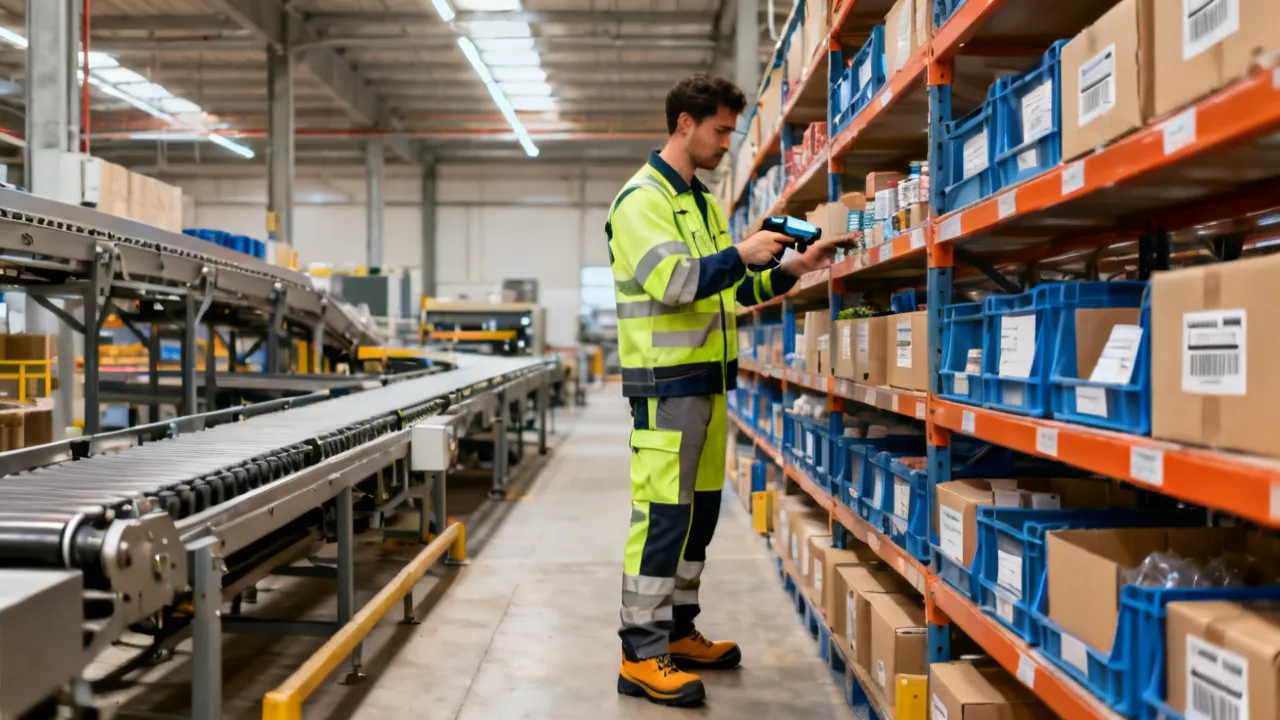
Indeed Pick Packer Jobs: A Practical Career Guide
This guide explains how to evaluate Indeed Pick Packer vacancies, understand daily warehouse duties, prepare a strong application, and assess pay, schedules, safety, and workplace conditions. A pick packer selects products, checks order accuracy, packs goods, and prepares shipments for dispatch. The role appears across retail, logistics, manufacturing, grocery, and e-commerce operations, with requirements varying by employer, location, equipment, and shift pattern.
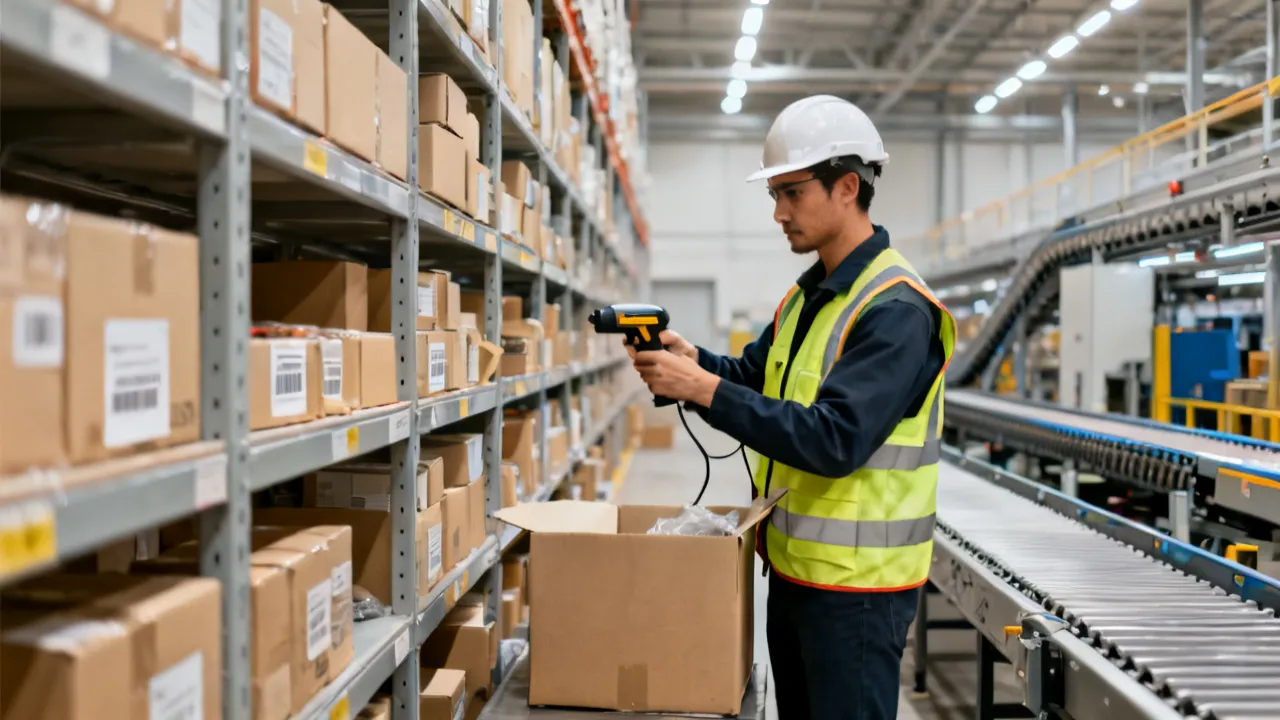
Indeed Pick Packer Jobs: A Practical Career Guide
This guide explains how to evaluate and apply for an Indeed Pick Packer job, including daily duties, essential skills, workplace expectations, pay considerations, safety requirements, and interview preparation. A pick packer typically retrieves products from warehouse locations, checks order accuracy, packages goods, and prepares shipments. Job conditions vary by employer, facility, shift, equipment, and experience, so applicants should review each listing carefully before applying.
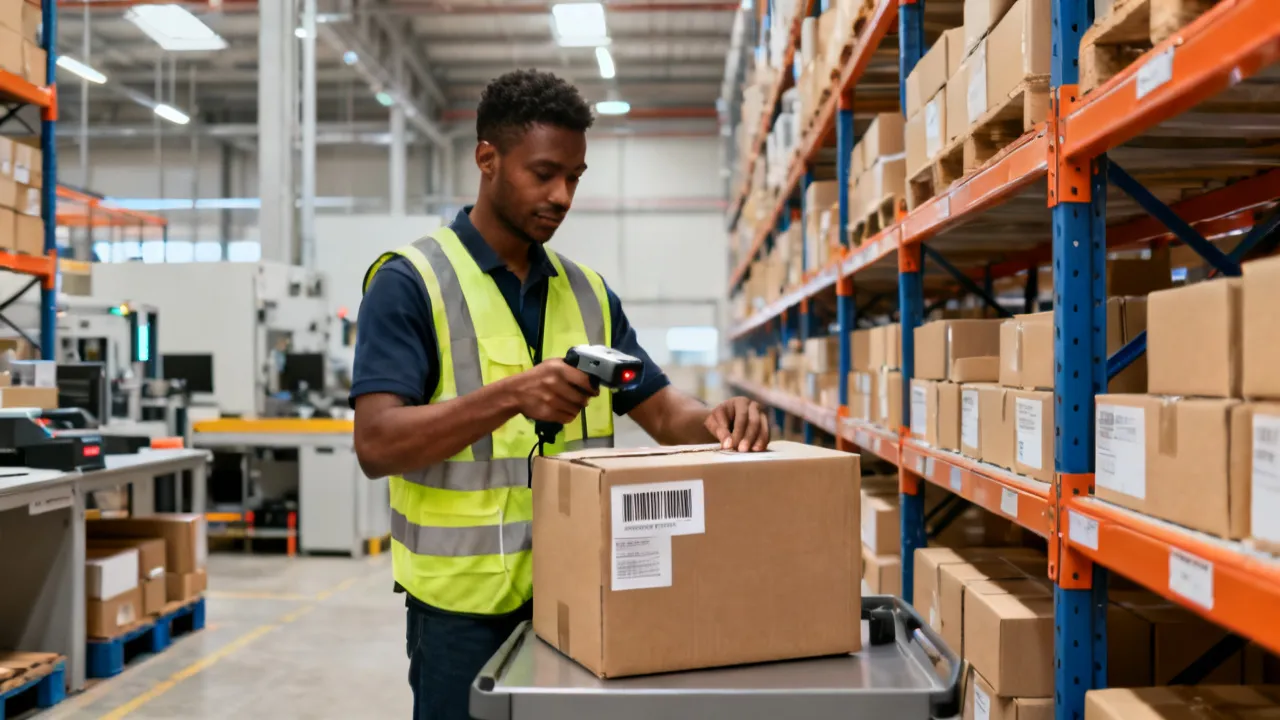
Indeed Pick Packer Jobs: A Practical Guide
This guide explains how to evaluate Indeed pick packer listings, understand daily warehouse duties, prepare a strong application, and assess safety, scheduling, pay, and advancement information. Pick packer roles generally combine order picking, item verification, packing, labeling, inventory handling, and shipment preparation. Requirements differ by employer, facility, equipment, shift, and product type, so applicants should review each posting carefully and confirm important details directly with the hiring organization.
