Foundations U represents a pivotal shift in education by focusing on developing foundational skills and lifelong learning capabilities. It offers a comprehensive curriculum designed to nurture critical thinking and adaptability. This curriculum is increasingly recognized for preparing students effectively for both current and future challenges in various fields.
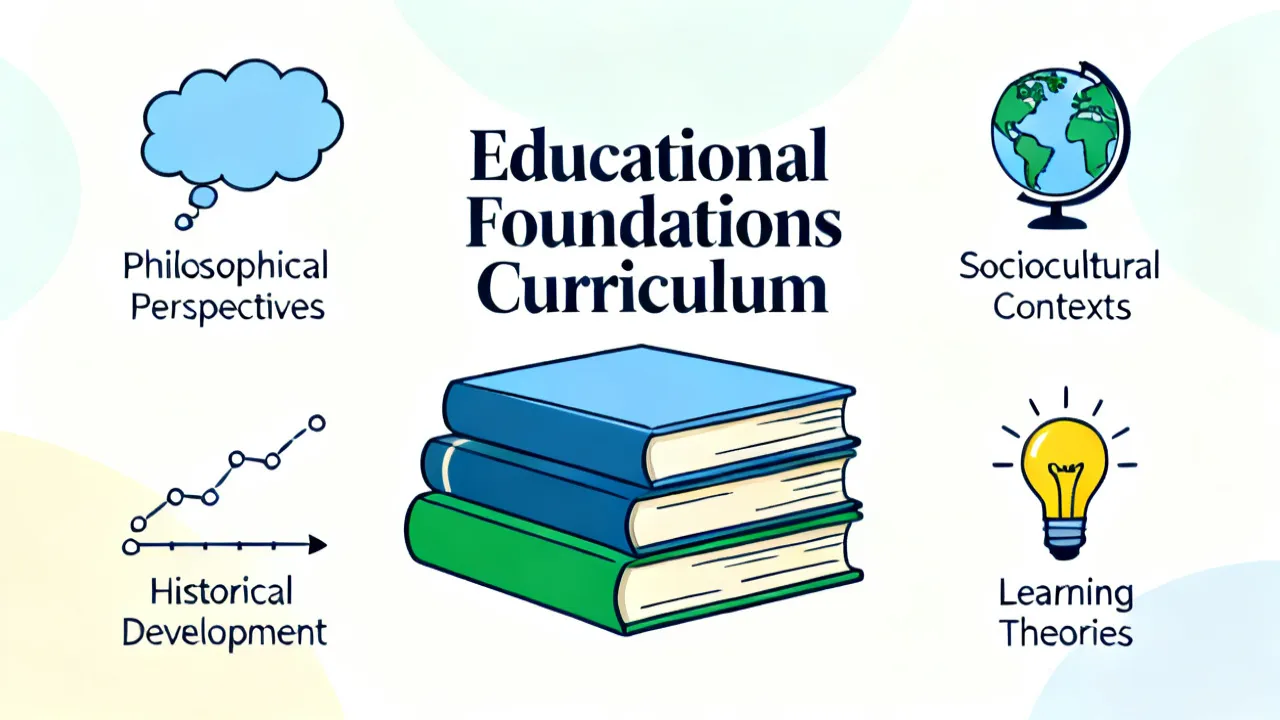
In today's rapidly changing world, education systems strive to prepare students not just academically, but holistically. This shifting paradigm emphasizes the need for frameworks that go beyond rote memorization and standardized testing. This is where Foundations U steps in, offering a curriculum that aims to foster foundational skills critical for lifelong learning and adaptability. Foundations U emphasizes the development of cognitive, emotional, and social skills, ensuring that students are well-equipped to meet the ever-changing demands of the global landscape.
Foundations U embodies the belief that education should be a dynamic process rather than a static pathway. This approach aligns with the understanding that learning is not confined to the classroom but is a continuous journey. Thus, Foundations U integrates various methodologies that cater to diverse learning needs and incorporate the fast-evolving technological landscape, providing students with the tools they require to navigate their futures with confidence and creativity.
The Foundations U curriculum is built upon several core principles designed to promote comprehensive education. These principles are personalized learning, interdisciplinary studies, and experiential learning. The program integrates technology seamlessly into its learning modules, allowing students to engage with digital tools that enhance their learning experiences.
Personalized Learning: Beyond recognizing the uniqueness of each student, personalized learning aims to ensure that educational methodologies accommodate varied learning styles and paces. With the help of adaptive learning technologies, Foundations U tailors its approach based on individual performance data. This means that students can progress as they master each concept, facilitating a deeper understanding rather than a superficial acknowledgment of topics. Teachers in Foundations U environments are encouraged to act as facilitators rather than traditional instructors, guiding students through their personalized learning journeys.
Interdisciplinary Studies: Breaking away from traditional subject boundaries, Foundations U promotes an interdisciplinary approach that encourages students to make connections between different fields of study. For example, a project that combines art and science can allow students to explore concepts in biology through creative expression while honing their analytical skills. This approach fosters a deeper understanding of complex concepts by showing students that knowledge is interconnected and applicable across various contexts.
Experiential Learning: Practical, hands-on learning experiences are at the heart of Foundations U, allowing students to apply theoretical knowledge in real-world contexts. This method cultivates problem-solving skills and critical thinking by immersing students in experiences that mimic real-life challenges. Whether it’s through community service projects, internships, or collaborative projects with local organizations, students gain firsthand insights into the world around them. Such experiences not only enhance learning but also foster empathy and social responsibility.
The adoption of Foundations U comes with a multitude of benefits, both for educational institutions and their students. The program is crafted to support a range of learning environments, making it adaptable to both traditional classrooms and virtual settings. Here are some key advantages:
| Component | Description |
|---|---|
| Skill Development | Focuses on enhancing core skills like literacy, numeracy, and critical thinking across various age groups. Continuous assessments and feedback mechanisms ensure that students progress effectively while mastering these essential skills. |
| Digital Integration | Incorporates technology to support interactive and engaging learning experiences. This includes the use of educational platforms, online resources, and virtual collaboration tools, which prepare students for a technology-driven world. |
| Collaborative Learning | Encourages teamwork and communication among students to solve complex problems. Collaboration mimics real-world working conditions where cross-functional teams work together to address challenges, thereby preparing students for both academic and professional success. |
| Assessment and Feedback | Utilizes continuous assessment methods to provide constructive feedback and customized learning paths. This dynamic approach allows educators to modify instruction based on individual student needs, reinforcing areas where students may struggle and challenging those who are excelling. |
At the forefront of the Foundations U framework is the strategic integration of technology throughout teaching and learning processes. Technology is no longer just an auxiliary part of education; it is essential in enriching the learning environment. Foundations U leverages various digital tools and platforms to enhance engagement, collaboration, and skill development.
Virtual Classrooms and Learning Management Systems: These platforms facilitate a seamless educational experience, allowing educators to share resources, assign tasks, and track student progress online. Virtual classrooms also provide opportunities for remote learning, ensuring that education can continue beyond physical classroom settings. This flexibility is particularly important in times of disruption, such as during global health crises.
Interactive Learning Tools: Tools such as simulations, virtual labs, and educational games allow students to immerse themselves in their subjects, creating a more engaging and interactive learning experience. For example, a science class might utilize virtual laboratories to conduct experiments that would be too dangerous or costly to replicate in a school setting. This hands-on approach not only enhances comprehension but also ignites curiosity, serving as a catalyst for exploration.
Data-Driven Insights: Foundations U utilizes data analytics to inform teaching practices and identify areas where students may need additional support. By tracking individual performance and engagement, educators can tailor their approach to meet the unique needs of each student. This level of customization ensures that no student is left behind, and that every learner can thrive in a supportive educational environment.
One of the cornerstones of Foundations U is its emphasis on community and parental involvement in the education process. Engaging families and local communities not only reinforces the learning experience but also creates a supportive network around students. This collaborative approach recognizes that education extends beyond school walls and involves various stakeholders.
Family Engagement: Foundations U actively encourages families to participate in their child’s education through regular communication and involvement in school activities. Parents are invited to workshops, meetings, and educational events that help them understand the curriculum and support their children’s learning at home. By creating strong partnerships with families, educational institutions foster a culture of shared responsibility in students' educational journeys.
Community Partnerships: The program aims to build partnerships with local businesses, organizations, and volunteers who can offer resources, mentorship, and real-world experiences. Involving the community in educational initiatives benefits students by providing them with access to a wealth of knowledge and opportunities. Furthermore, these partnerships can lead to internships, co-op programs, and other project-based collaborations, thereby bridging the gap between classroom learning and the external world.
While the advantages of Foundations U are numerous, implementing such a comprehensive educational framework is not without its challenges. Schools, educators, and communities must navigate various hurdles to ensure a successful transition. Identifying these challenges and developing strategies to address them is critical for the program's efficacy.
Training and Professional Development: Educators require ongoing professional development and training to effectively implement the Foundations U framework. Familiarity with personalized learning techniques, interdisciplinary methods, and digital tools is essential for teachers to guide students effectively. This necessitates an investment in teacher training programs that emphasize these pivotal components.
Resource Allocation: Many institutions face challenges related to funding and resources. Implementing technology-enhanced learning environments, securing materials for hands-on projects, and expanding community partnerships often require significant investment. Educational leaders must advocate for funding and develop creative solutions to enhance resource availability while streamlining costs.
Cultural Resistance: Transitioning from traditional educational models to innovative frameworks like Foundations U may be met with resistance from educators, parents, and community members accustomed to conventional approaches. Communication and transparency are vital in fostering understanding and support among these stakeholders. Engaging in dialogues about the importance and benefits of the Foundations U model can help alleviate concerns and garner necessary buy-in.
The world of education is continuously evolving, influenced by rapid technological advancements, shifting job market demands, and changing societal needs. Foundations U embraces these evolving trends, remaining flexible and adaptive to the needs of students and educators alike. Here are a few key trends that align with the principles of Foundations U:
Emphasis on Emotional Intelligence: As the understanding of mental health and well-being grows, educational practices are increasingly focusing on developing emotional intelligence alongside academic skills. Foundations U recognizes the significance of social-emotional learning (SEL) and incorporates activities that promote self-awareness, empathy, and interpersonal skills. Such skills are essential for fostering resilience and emotional well-being, which contribute to overall academic success.
Focus on Global Citizenship: In a world where connectivity and cultural exchange abound, education must prepare students for global citizenship. Foundations U emphasizes the importance of understanding diverse cultures, global challenges, and interdependence. Through projects, discussions, and community initiatives, students learn to appreciate cultural diversity and develop their sense of responsibility towards contributing positively to society.
Lifelong Learning Mindset: Foundations U instills a passion for learning that extends beyond formal education. By encouraging curiosity and adaptability, students become equipped with the mindset necessary for lifelong learning. In today's economy, where roles and required skills can shift rapidly, this flexibility and commitment to ongoing education are crucial for long-term success.
Several educational institutions around the globe have successfully implemented the Foundations U framework, showcasing its effectiveness and adaptability in various contexts. Here are a few case studies that highlight the positive outcomes achieved through Foundations U.
Case Study 1: Riverside Academy
Located in a suburban community, Riverside Academy undertook an initiative to enhance its curriculum using Foundations U principles. The school focused on personalized learning, integrating adaptive learning technologies to support individual student needs. Teachers received training on personalized instruction techniques, allowing them to tailor lessons based on real-time performance analytics.
The results were evident: students demonstrated improved engagement in their learning, higher academic achievement, and increased motivation. Furthermore, the emphasis on interdisciplinary projects led to a collaborative school culture where students worked together across grade levels to apply their learning in meaningful ways.
Case Study 2: Urban Learning Center
The Urban Learning Center, a charter school in a metropolitan area, embraced the Foundations U framework to serve a diverse student population. By incorporating community partnerships, the school engaged local businesses and organizations to provide students with real-world experiences. Internships, guest speakers, and service-learning projects became integral parts of the curriculum.
The impact of these partnerships was significant. Students developed a greater sense of purpose and connection to their communities, while also acquiring essential skills and knowledge. As a result, graduation rates increased, and students reported feeling more prepared for future careers and higher education opportunities.
Q1: What makes Foundations U different from traditional curricula?
A1: Foundations U differs mainly in its holistic approach, focusing on the interconnected development of skills across disciplines and its integration of digital tools to enhance learning. The emphasis on experiential learning and community involvement further distinguishes it from conventional educational frameworks.
Q2: How can educators implement Foundations U effectively?
A2: Educators are encouraged to adopt flexible teaching methods, integrate technology creatively in lessons, and use continuous feedback to adapt to students’ needs. Collaboration among teachers and ongoing professional development are vital for successful implementation, as is fostering an engaged learning environment.
Q3: What support is available for schools adopting Foundations U?
A3: Schools can access a range of resources, including teacher training programs, digital platforms, and community networks that support the transition and implementation of Foundations U. Partnerships with educational organizations can provide resources and expertise to facilitate effective implementation.
Foundations U stands out as a transformative educational framework poised to prepare students for the realities of the modern world. Its emphasis on skills like critical thinking, adaptability, and interdisciplinary learning ensures that future generations will be well-equipped to tackle the complexities of the global stage. With the integration of community partnerships, personalized learning pathways, and technological innovations, Foundations U provides a comprehensive approach to education that values the individual and the collective experience.
As educational institutions continue to recognize the myriad benefits associated with this approach, Foundations U is likely to become an integral part of curricula worldwide. Its commitment to fostering lifelong learners who are socially responsible, empathetic, and equipped with the necessary skills to thrive in an ever-changing landscape reflects the future of education. As such, it is essential for policymakers, educators, and communities to support the principles of Foundations U as we work together to prepare students not only for success in their careers but for meaningful contributions to society as a whole.
Striking the Perfect Balance: Navigating Premiums and Out-of-Pocket Expenses in Senior Insurance Plans

Explore the Tranquil Bliss of Idyllic Rural Retreats

How to Make Lasting Memories at Disneyland Attractions

Affordable Phones and Plans for Seniors

Affordable Full Mouth Dental Implants Near You

Unlock the Top Kept Secrets to Finding Your Ideal Dentist for Flawless Dental Implant Results!

Discovering Springdale Estates

Unveiling RS Sul Telecom Services

The Guide to Car Trading


Understanding Lato Sensu Education
Lato Sensu is a term used to describe a type of specialized education, typically in the context of postgraduate studies. It emphasizes a flexible, broad approach to learning compared to more narrowly defined courses. This article delves into the significance, scope, and benefits of Lato Sensu programs, particularly how they cater to professionals seeking career advancement.

Unlocking the Secrets of Wizard Lessons
Wizard Lessons offer a glimpse into the mystical world of magic, providing structured learning experiences for aspiring wizards. These lessons cover various aspects of magic, from spell casting to potion making, and are deeply rooted in both tradition and evolving magical practices. Aspiring wizards can delve into these teachings to enhance their magical prowess and understanding of the enchanted arts.

Understanding Lato Sensu Courses
Lato Sensu refers to postgraduate courses offering specialized education, often linked to practical experiences and professional enhancement. These programs emphasize advanced learning tailored to students' chosen fields, with flexible formats to accommodate diverse educational goals and local contexts. This article explores the significance, structure, and advantages of Lato Sensu programs for aspiring professionals.
Understanding Lato Sensu Education Courses
Lato sensu education courses are specialized postgraduate programs offering practical skills and knowledge in specific fields. Distinct from stricto sensu programs focusing on academic research, lato sensu courses are typically shorter and professionally oriented, making them attractive to those seeking career enhancement. This article delves into the intricacies of lato sensu education, exploring its benefits, structure, and global perspective.
Understanding PECB AAT Certifications
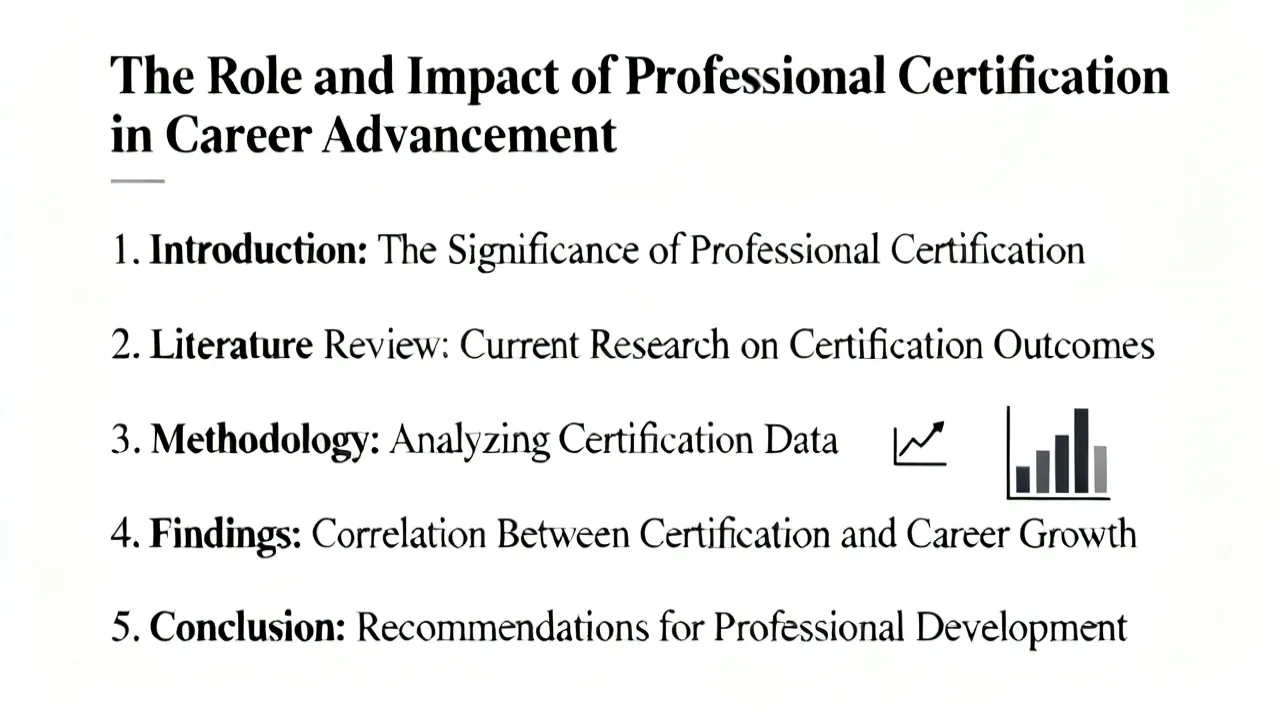
This article offers an in-depth analysis of PECB AAT certifications, renowned for providing a standardized framework for auditing, assessment, and training in various professional sectors. It highlights the importance of these certifications in ensuring industry compliance and enhancing career opportunities. From certification pathways to FAQs, explore how these qualifications uphold standards and elevate expertise in their fields.
Understanding Lato Sensu Education
This guide explores the essential aspects of Lato Sensu programs, which are critical post-graduate courses focusing on specific professional skills enhancement. Typically found in Brazilian education, these programs differ from Stricto Sensu courses by emphasizing practical skills over theoretical research. The article analyzes the elements critical to choosing a Lato Sensu course, such as institution reputation, course content, and potential career outcomes.
