This guide delves into the concept of "Silogism" or syllogism, fundamental in deductive reasoning and logic. Originating from ancient Greek philosophy, syllogism involves forming conclusions based on two given premises. Its application is wide-reaching, enhancing critical thinking and decision-making.

Syllogism, a cornerstone in the study of logical reasoning, serves as a critical tool for deductive reasoning. It consists of three parts: a major premise, a minor premise, and a conclusion drawn from the two. Typically originating from the teachings of Aristotle, this form of reasoning is essential for constructing logical arguments and drawing conclusions with clarity and precision. The ability to recognize and use syllogisms is central not just to the fields of philosophy and formal logic, but also permeates everyday decision-making and discourse. By dissecting arguments and comprehending their structure, individuals can better navigate discussions, debates, and even personal thought processes.
The classical structure of a syllogism is straightforward yet profound in its implications. A typical example might be:
This format ensures the argument’s validity—given the premises are true, the conclusion must also be true. To further illustrate the strength of this structure, consider the application of syllogism in real-world scenarios. For example, in a legal context, a prosecutor may state:
In this instance, the strength of the conclusion relies heavily on the truth of the premises. Syllogisms are vital in various fields such as mathematics, philosophy, and computer science, reinforcing the logic upon which these disciplines rely. They create a scaffold that allows for building increasingly complex arguments that can lead to intricate conclusions.
Syllogisms can be classified into several types, each serving specific logical needs:
The application of syllogism extends beyond theoretical exercises, finding utility in real-world scenarios. Law professionals use syllogisms to construct unbeatable arguments, ensuring their claims are backed by logical consistency. Similarly, educators leverage this reasoning form to improve students' critical thinking skills, encouraging them to examine premises critically and drive evidence-based conclusions.
Moreover, syllogisms play a critical role in computer programming and artificial intelligence. Algorithms often employ syllogistic logic as part of their decision-making processes, wherein specific conditions determine the flow of operations based on logical premises. This application can be observed in the development of expert systems that mimic human reasoning processes through programmed logic. In such contexts, syllogisms underscore the importance of precise definition and logical rigor in executing functions that require sound conclusion based upon premises.
In addition, the realm of psychology utilizes syllogistic reasoning to dissect thought processes. Cognitive behavioral therapy (CBT), for instance, can incorporate syllogistic structures to help clients recognize faulty reasoning in their thoughts and challenge them systematically. Patients can learn to identify irrational beliefs through syllogisms, reformulating these into more rational conclusions that pave the way towards improved mental health outcomes.
A vital component in understanding syllogisms is contrasting different syllogistic forms to comprehend their unique constructs and benefits. For instance, a categorical syllogism is useful in categorizing and classifying specific attributes, while disjunctive syllogisms resolve competing alternatives to provide concrete conclusions. Each type has its strengths and appropriate contexts for application, which can be summarized in the following table:
| Type | Description | Example |
|---|---|---|
| Categorical | Involves classifying all objects within a category. | All men are mortal. Aristotle is a man. Therefore, Aristotle is mortal. |
| Disjunctive | Presents choices, resolving which is true by elimination. | The traffic light is red or green. It's not red; hence, it's green. |
| Conditional | Follows an “if this, then that” pattern. | If it’s a bird, it can fly. This is a bird, so it can fly. |
The effectiveness of syllogistic reasoning extends beyond theoretical discussions, seeping into practical applications in numerous domains. Below are a few illustrative examples demonstrating how syllogism is applied across different fields:
In the legal field, syllogisms serve as foundational pillars that help lawyers construct airtight arguments. For example:
This logical framework not only establishes clear connections between law and action but also communicates the consequences of actions effectively, which is particularly relevant in court cases where clarity can determine the outcome.
In scientific research, hypotheses are often tested through deductive reasoning akin to syllogisms:
Here, the syllogism allows researchers to draw reliable conclusions from well-established premises. This deductive framework is critical in experiments, guiding scientists to validate or invalidate their hypotheses through methodical testing.
Philosophers have employed syllogisms for centuries to explore ethical and metaphysical questions. Could they pose:
In this way, syllogisms become tools to unravel complex philosophical debates, enabling clearer articulation of moral arguments and enhancing dialogue around ethical considerations.
Despite its strengths, syllogism is not without its criticisms and limitations. One major concern is the reliance on the truth of the premises to ensure valid conclusions. If the premises are ambiguous, incorrect, or overly generalized, the conclusions reached can lead to flawed reasoning:
Moreover, syllogisms can oversimplify complex issues that require deeper analysis, leading to reductive reasoning. Therefore, while they are invaluable, it's crucial to supplement syllogistic reasoning with other forms of analysis to capture the nuances of varied situations.
Developing proficiency in syllogistic reasoning can significantly improve one's analytical abilities and critical thinking skills. Here are several strategies to strengthen syllogistic skills and apply them effectively:
The study of syllogism enriches the understanding of logical constructs, offering a robust framework for drawing conclusions that are both clear and consistent. Whether for educational purposes, business decisions, psychological assessments, or legal arguments, mastering syllogism can enhance critical thinking and decision-making, marking its enduring significance across disciplines. As individuals become more adept at recognizing the premises underpinning arguments, they can formulate clearer conclusions, engage meaningfully in discourse, and approach problem-solving with greater precision and efficacy.
Striking the Perfect Balance: Navigating Premiums and Out-of-Pocket Expenses in Senior Insurance Plans

Explore the Tranquil Bliss of Idyllic Rural Retreats

How to Make Lasting Memories at Disneyland Attractions

Affordable Phones and Plans for Seniors

Affordable Full Mouth Dental Implants Near You

Unlock the Top Kept Secrets to Finding Your Ideal Dentist for Flawless Dental Implant Results!

Discovering Springdale Estates

Unveiling RS Sul Telecom Services

The Guide to Car Trading


Understanding Lato Sensu Education
Lato Sensu is a term used to describe a type of specialized education, typically in the context of postgraduate studies. It emphasizes a flexible, broad approach to learning compared to more narrowly defined courses. This article delves into the significance, scope, and benefits of Lato Sensu programs, particularly how they cater to professionals seeking career advancement.

Unlocking the Secrets of Wizard Lessons
Wizard Lessons offer a glimpse into the mystical world of magic, providing structured learning experiences for aspiring wizards. These lessons cover various aspects of magic, from spell casting to potion making, and are deeply rooted in both tradition and evolving magical practices. Aspiring wizards can delve into these teachings to enhance their magical prowess and understanding of the enchanted arts.

Understanding Lato Sensu Courses
Lato Sensu refers to postgraduate courses offering specialized education, often linked to practical experiences and professional enhancement. These programs emphasize advanced learning tailored to students' chosen fields, with flexible formats to accommodate diverse educational goals and local contexts. This article explores the significance, structure, and advantages of Lato Sensu programs for aspiring professionals.

Understanding Lato Sensu Education Courses
Lato sensu education courses are specialized postgraduate programs offering practical skills and knowledge in specific fields. Distinct from stricto sensu programs focusing on academic research, lato sensu courses are typically shorter and professionally oriented, making them attractive to those seeking career enhancement. This article delves into the intricacies of lato sensu education, exploring its benefits, structure, and global perspective.
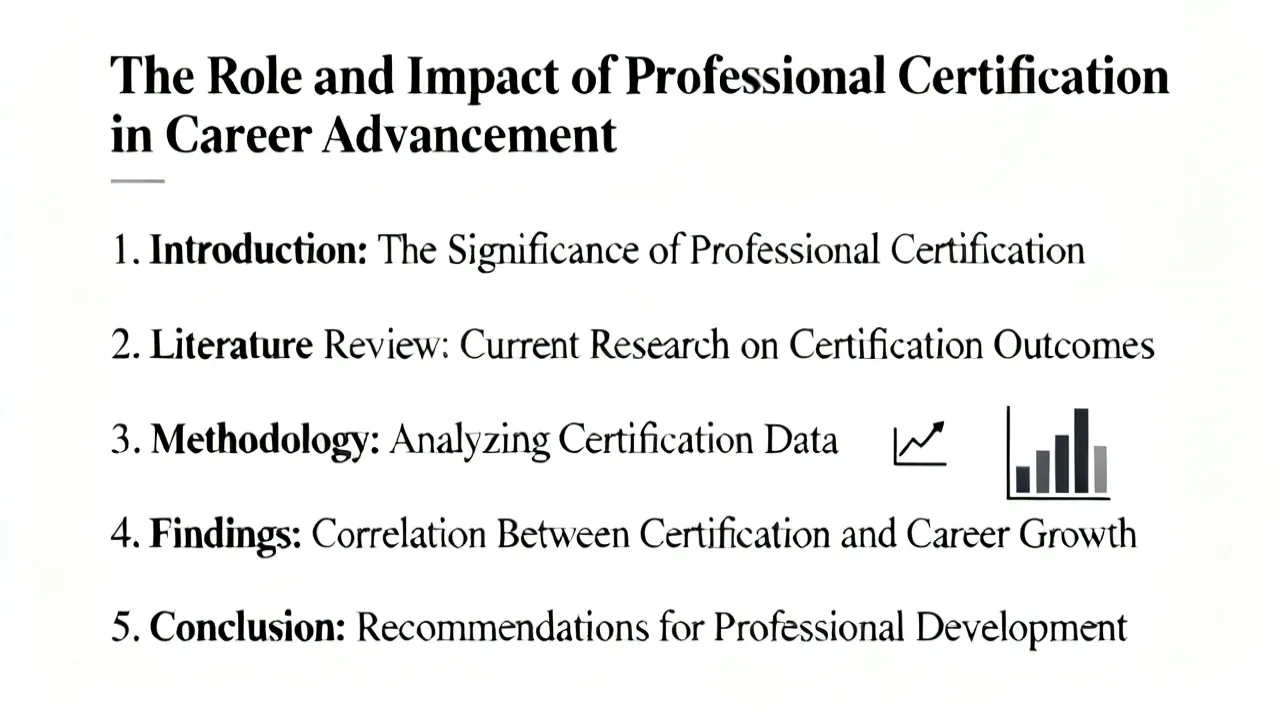
Understanding PECB AAT Certifications
This article offers an in-depth analysis of PECB AAT certifications, renowned for providing a standardized framework for auditing, assessment, and training in various professional sectors. It highlights the importance of these certifications in ensuring industry compliance and enhancing career opportunities. From certification pathways to FAQs, explore how these qualifications uphold standards and elevate expertise in their fields.

Understanding Lato Sensu Education
This guide explores the essential aspects of Lato Sensu programs, which are critical post-graduate courses focusing on specific professional skills enhancement. Typically found in Brazilian education, these programs differ from Stricto Sensu courses by emphasizing practical skills over theoretical research. The article analyzes the elements critical to choosing a Lato Sensu course, such as institution reputation, course content, and potential career outcomes.
