Psoriasis can be managed with the right treatment plan. Here are tips and advice for living with and treating psoriasis plaques.

Psoriasis is a chronic autoimmune condition characterized by the rapid growth of skin cells, leading to the formation of red, scaly patches or plaques. Though it can appear anywhere on the body, commonly affected areas include the elbows, knees, and scalp.
Psoriasis is not just a skin condition but also an autoimmune disorder where the body's immune system mistakenly attacks healthy skin cells. Genetics and environmental factors often trigger it. Stress, skin injuries, and certain medications can exacerbate the condition.
Plaque psoriasis, the very common form of psoriasis, presents as raised, inflamed, red lesions covered by silvery white scales. Understanding its symptoms can help in early management and treatment.
Effective treatment for psoriasis plaques includes a combination of topical treatments, light therapy, and systemic medications. Here are the main options you can consider:
Corticosteroids are anti-inflammatory medications commonly used to reduce the swelling and redness of psoriasis plaques. They come in various strengths and formulations (creams, ointments, lotions).
These treatments slow down the growth of skin cells. Calcipotriene and calcitriol are commonly prescribed.
Coal tar has anti-inflammatory properties and is available in different forms, such as shampoos, creams, and oils.
While not specifically a treatment, regular moisturizing can ease the dryness and itching associated with psoriasis plaques.
Exposing skin to natural or artificial light can help reduce psoriasis plaques. Options include UVB phototherapy, PUVA treatment, and laser treatments.
This involves exposing the skin to ultraviolet B light under medical supervision.
Combines the photosensitizing drug psoralen with UVA light.
Oral or injected medications affect the whole body and are used for moderate to severe psoriasis.
A common systemic medication, methotrexate slows down cell turnover.
Biologics target specific parts of the immune system. These include medications like adalimumab and etanercept.
Eating a balanced diet rich in anti-inflammatory foods can help manage psoriasis symptoms. Focus on fruits, vegetables, whole grains, and omega-3 fatty acids.
Stress is a known trigger for psoriasis flare-ups. Techniques such as yoga, meditation, and deep-breathing exercises can help manage stress levels.
Regular physical activity can help reduce inflammation and enhance overall health.
Both smoking and alcohol consumption can worsen psoriasis. Quitting smoking and moderating alcohol intake can improve treatment outcomes.
Living with psoriasis, particularly plaque psoriasis, can be challenging, but effective treatment options are available. Consultation with a healthcare provider is crucial to tailor the treatment plan accordingly. Alongside professional treatments, adopting healthy lifestyle habits can significantly enhance the quality of life for those affected by this condition.
Striking the Perfect Balance: Navigating Premiums and Out-of-Pocket Expenses in Senior Insurance Plans

Explore the Tranquil Bliss of Idyllic Rural Retreats

How to Make Lasting Memories at Disneyland Attractions

Ultimate Countdown: The 20 Very Legendary Gaming Consoles Ever!

Understanding Halpin and its Influence

Affordable Full Mouth Dental Implants Near You
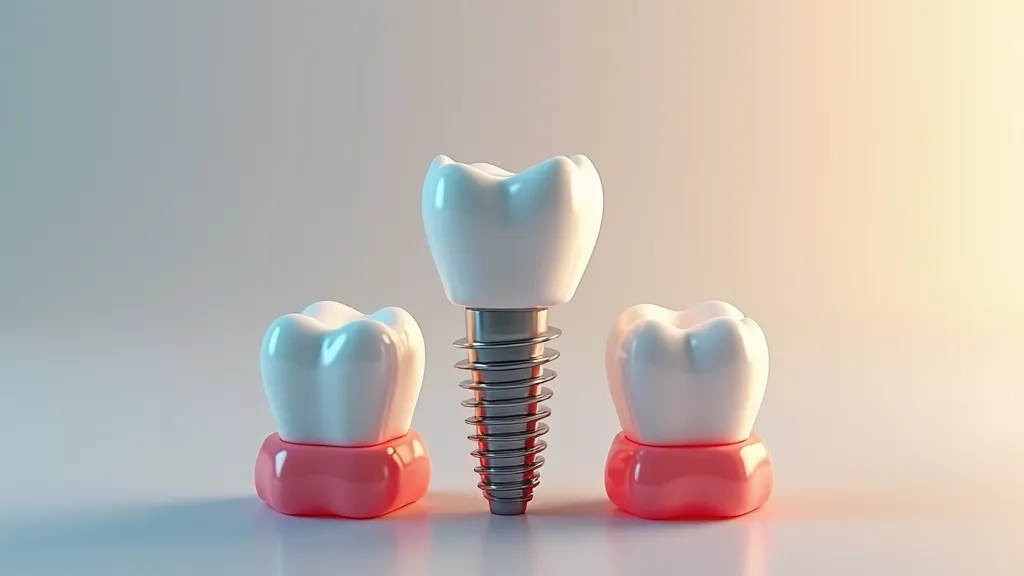
Unlock the Top Kept Secrets to Finding Your Ideal Dentist for Flawless Dental Implant Results!

Discovering Springdale Estates

Illinois Dentatrust: Comprehensive Overview
Striking the Perfect Balance: Navigating Premiums and Out-of-Pocket Expenses in Senior Insurance Plans
Finding an optimal mix of insurance premiums and direct medical costs is crucial for effective healthcare budgeting. This discussion will delve into tactics to achieve a balance that aligns with your finances.
Unlock the Top Kept Secrets to Finding Your Ideal Dentist for Flawless Dental Implant Results!
Selecting an adept dentist is critical for ensuring the efficacy and your satisfaction during a dental implant procedure. This in-depth guide is designed to assist you in finding a dental expert who meets your personal requirements, guaranteeing that your path to dental implant success is seamless and fruitful.

Protect Your Perfect Smile: Master the Art of Defending Your Teeth Against Acid Attacks
Though they may tantalize the palate and invigorate the senses, foods and drinks with high acid content are a double-edged sword with regard to oral wellness. Continual exposure to these substances progressively strips away the protective enamel from our teeth, which can lead to increased sensitivity, changes in coloration, and a variety of other dental complications. This composition offers insight into relishing these zesty favorites while safeguarding your teeth from damage.

Revolutionizing Smiles: The Breakthrough Innovations in Dental Implants Changing Oral Health Care Forever
In the realm of dental medicine, the introduction of implant technology has dramatically transformed how professionals manage the absence of teeth. Providing more than just a stop-gap, these innovations have significantly influenced oral healthcare practices, offering alternatives that surpass older treatments like dentures and bridges, which often came with issues such as bone deterioration and persistent discomfort. By delving into the progression of dental implant advancements, we gain insight into their substantial contribution to the health and well-being of individuals with tooth loss.

Discovering Heartis Eagle Mountain
Heartis Eagle Mountain is a prominent senior living community that offers a range of services and amenities aimed at enhancing the quality of life for its residents. Situated in a peaceful setting, it combines exceptional care with engaging activities, providing a holistic environment that caters to seniors' physical, emotional, and social needs.

Unveiling the Top Dental Implant Options for Seniors: Transform Your Smile with the Ultimate Guide to Restored Radiance
The significance of oral health cannot be understated for the elderly population as they are commonly afflicted with tooth loss due to a multitude of factors, including decay and gum disease. Dental implants have risen to prominence as a prime method of teeth replacement, acclaimed for their long-lasting nature, functional prowess, and striking similarity to our own teeth. This discussion delves deeply into the realm of dental implants to demonstrate why they are considered the optimal choice for aged individuals aiming to enhance their smiles and overall life quality.
