This guide explains how Sightsavers Truckers supports last‑mile health delivery through dependable logistics, service planning, and partner coordination. It provides objective background on the concept of trucker-led transport for humanitarian supply chains, the operational challenges involved, and how organizations structure routes, loading standards, and quality checks to maintain continuity of care.
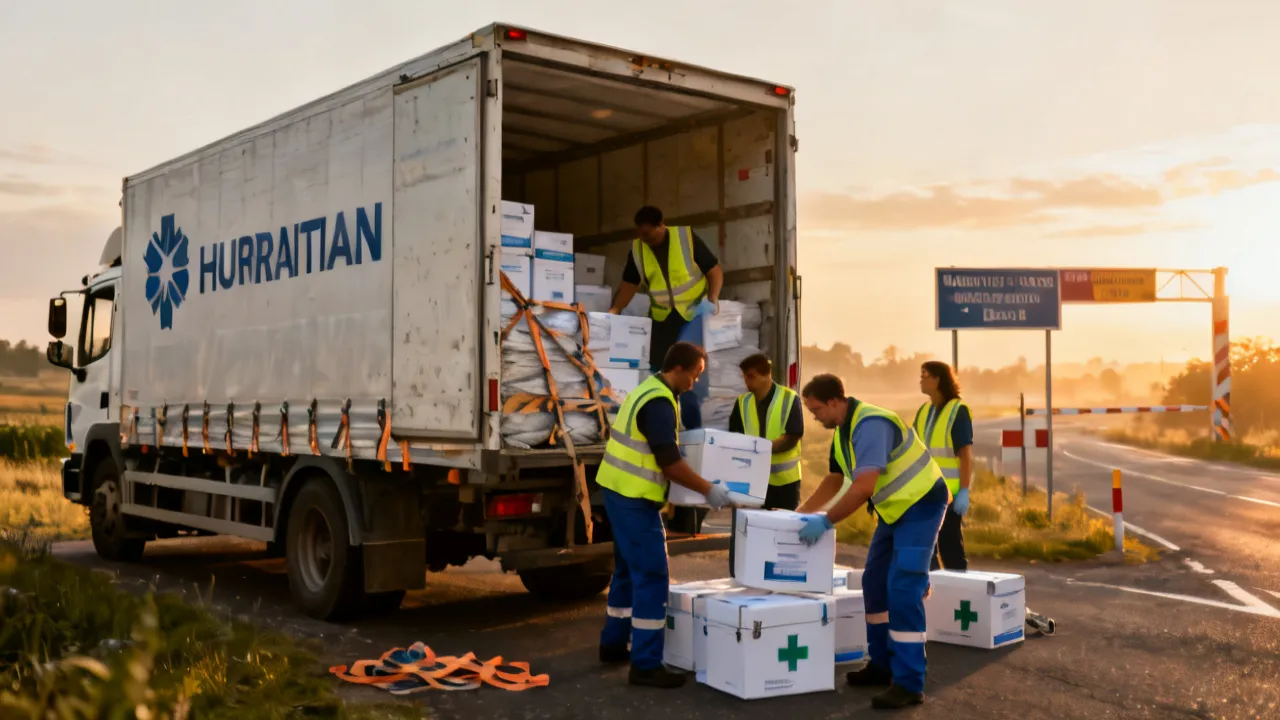
Sightsavers Truckers is commonly used to describe the work of transport-focused partners that help move essential supplies to remote communities—an activity that matters as much as the clinical services themselves. In practice, trucking functions like a bridge between program planning and real-world access: it translates schedules, stock levels, and quality requirements into physical deliveries that arrive when clinics, outreach teams, and community health activities need them.
From an industry perspective, the value of a trucking network isn’t only in moving boxes. It lies in consistent timing, accountable handling, and disciplined coordination across procurement, warehousing, route planning, and end-point distribution. For organizations working in global health and eye-care initiatives, those elements directly affect whether items reach people in usable condition and whether field activities can proceed without interruption.
When health programs depend on timely logistics, “last mile” becomes more than the final geographic segment from a main road to a community. It becomes the operational moment where a chain of decisions—what to order, how to package, which carrier to use, which route to take, and who will confirm receipt—comes to life. If even one link is weak, the delivery might still arrive, but the outcome might not be aligned with program needs: the wrong quantities could be delivered, the items may be damaged, or the handover could happen too late for an outreach team to use them during a scheduled session.
Because many health programs run on calendars driven by disease cycles, seasonal trends, and outreach timetables, trucking performance can influence whether services happen when communities are reachable and ready. This is particularly true for programs that support preventive screenings, distribution of supplies, or clinical visits that depend on a precise availability of items on a specific day. In that context, trucking is inseparable from program quality, not an administrative add-on.
In global health operations, “access” is rarely determined by medical capacity alone. It is also shaped by whether supplies can be delivered reliably to locations where transportation infrastructure may be limited, weather may disrupt routes, and last‑mile distances can be long. When Sightsavers Truckers (or similar transport arrangements) are well-managed, they reduce avoidable gaps between ordering, receiving, and field use.
Key operational drivers include:
Humanitarian contexts also introduce uncertainty—road closures, sudden weather events, or security constraints—making it even more important to manage logistics systematically rather than relying on informal arrangements. A mature transport partner does not simply move goods; it actively helps manage uncertainty through routing decisions, contingency planning, and disciplined communication.
From a program manager’s perspective, the difference between strong logistics and weak logistics often appears as operational friction. With strong logistics, field teams spend their time preparing to deliver services. With weak logistics, they spend time dealing with missing items, damaged packaging, or unclear receipt processes. In that sense, trucking strengthens last‑mile delivery by reducing “administrative load” on frontline operations.
While exact configurations differ by country and program structure, trucker-led logistics usually spans several layers:
For an organization that coordinates eye health services and broader disability-inclusive health programming, these stages help ensure the right supplies arrive at the right time—supporting both preventive activities and clinical interventions. Eye health programs can be especially sensitive to supply availability: certain interventions require specific equipment, sterile or delicate items, and scheduled distribution that supports patient flow during outreach or clinic visits.
Beyond simply delivering items, trucking partners often support a broader logistics ecosystem: they help harmonize packaging formats with receiving capabilities, align delivery timing to storage constraints, and standardize how proof of delivery is recorded. In well-run systems, this supports consistent reporting and helps reduce waste caused by nonconformance.
Humanitarian and development supply chains increasingly emphasize measurement over assumptions. Reliable logistics is often assessed through indicators such as on-time delivery, order fill rates, shipment completeness, and quality/damage outcomes. While performance varies by region and operating environment, the general industry direction is clear: organizations are adopting structured logistics frameworks, improving demand forecasting, and strengthening partner accountability.
For grounding in established methods, the World Food Programme (WFP) Logistics Cluster and related humanitarian logistics guidance emphasize preparedness, contingency planning, and standardized procedures across the supply chain. These approaches are widely referenced by non-profit logistics teams to reduce variability and improve delivery reliability. (Source: WFP Logistics Cluster resources and humanitarian logistics guidance materials.)
Measurement matters because it transforms logistics from a “belief” into an operational system. For instance, instead of relying on anecdotal reports like “the truck usually arrives late,” a measured approach identifies when delays occur (e.g., at customs, at loading, at specific road segments) and helps teams design targeted fixes. Similarly, instead of simply recording damage after the fact, programs can track damage rates by packaging type, route, vehicle model, or handling step, enabling process improvement.
Another industry reality is that logistics performance is multidimensional. A shipment might arrive on time but be incomplete; it might be complete but damaged; it might be both complete and undamaged but delivered when the receiving team is not available. Strong trucking arrangements therefore evaluate performance not only on arrival time but on the broader success criteria: correct quantity, correct item identity, usable condition, documented receipt, and alignment with field-use schedules.
In that sense, trucking performance measurement becomes a governance tool. It provides evidence for procurement decisions, supports partner management, and informs future planning cycles. It also helps strengthen trust between program teams and transport partners: when goals are clear and outcomes are measurable, teams can collaborate more effectively on resolving exceptions.
Transport for last‑mile health delivery faces constraints that may not be present in commercial-only distribution. The challenges are usually practical, not theoretical:
A mature approach to trucking—often associated with partners such as Sightsavers Truckers—treats these constraints as design inputs rather than afterthoughts. That means scenario planning, buffer stock strategies where appropriate, and disciplined communication between dispatch teams and field coordinators.
Route planning in last‑mile health logistics also involves practical decisions that are easy to underestimate. For example, the “shortest route” might be impassable during rainy weather, while a slightly longer route via a more stable road might be safer and more predictable. Similarly, the decision to travel overnight may reduce exposure to traffic but increase risks related to security or fatigue management. Skilled logistics partners incorporate these trade-offs into scheduling and documentation.
Another critical reality is that delivery windows are often dictated by local operating conditions. Clinics might run on set patient appointment schedules. Outreach teams might have limited time for community mobilization and could only receive supplies during certain hours. In such contexts, a delivery partner must understand local timing constraints and coordinate accordingly.
Accountability in transport isn’t achieved by slogans; it comes from operational controls. Very robust programs implement:
This is where logistics becomes more than transportation—it becomes a managed service with defined outcomes, escalation paths, and continuous improvement loops.
Accountability also includes transparency. When logistics teams can clearly explain what happened—why a delay occurred, what contingency was used, how damaged items were handled, and how the discrepancy was resolved—program teams can respond with informed decisions rather than assumptions. Transparent accountability can also help maintain donor confidence because it improves reporting quality and reduces uncertainty.
Additionally, accountability mechanisms support inventory reliability. If a shipment is delivered but not properly recorded, inventory systems will show that the goods are still on hand. That can lead to repeated ordering, waste, and confusion at future distribution events. Therefore, good trucking arrangements place equal emphasis on “paperwork as a control tool” rather than treating documents as administrative burden.
To clarify what “Sightsavers Truckers” implies in operational terms, the table below compares common approaches organizations use to deliver supplies to remote or hard-to-reach locations. (No links are included.)
| Aspect | Structured trucking model (associated with Sightsavers Truckers) | Ad-hoc or informal movement |
|---|---|---|
| Scheduling | Delivery windows are coordinated with program calendars and receiving capacity. | Pickup and delivery timing can change with limited notice, increasing interruption risk. |
| Documentation & traceability | Chain-of-custody, packing verification, and receiving confirmation are standardized. | Records may be incomplete, making it harder to resolve discrepancies. |
| Handling standards | Loading procedures and damage prevention are controlled through SOPs. | Handling varies by driver or carrier; damage rates can rise. |
| Quality preservation | Transit conditions and storage considerations are planned for relevant items. | Transit conditions may not align with item requirements. |
| Risk management | Route risk assessments and contingency plans guide decision-making. | Risks are addressed after delays or incidents occur. |
| Performance feedback | Partner evaluations support continuous improvement and service reliability. | Improvement may be reactive and inconsistent. |
Structured trucking models tend to require more coordination up front, but the operational payoff is reliability. In health programs, reliability is not simply a convenience—it is directly connected to service continuity and to the safety and effectiveness of supplies. Ad-hoc movement might appear cheaper at first because it reduces formal coordination costs, but it can increase hidden costs such as staff time spent managing disruptions, reordering to compensate for losses, or program delays that reduce overall service coverage.
Structured trucking is also beneficial for scalability. When programs expand to additional districts or integrate new supply categories, ad-hoc transport arrangements often break under increased complexity. Structured trucking, by contrast, provides a repeatable system that can accommodate growth through standardized processes and partner management.
The following guide presents a generalized, industry-aligned sequence that many trucking-supported humanitarian programs follow. Exact roles and tools vary, but the logic is consistent.
Program teams define what must be delivered, where, and when—often aligning with outreach dates, clinic sessions, and stocking requirements at distribution points. This step often includes clarifying the units of distribution (boxes, kits, cartons), the required shelf-life or expiration constraints for certain supplies, and any special handling instructions (e.g., “keep dry,” “fragile,” “store away from heat”).
Defining demand also includes understanding who will receive the items and what resources they have. For example, a site might have limited storage capacity and may require deliveries to be staged across multiple days. Clarifying those realities early prevents delivery plans from being “technically correct” but operationally impractical.
Warehousing consolidates orders, verifies packaging integrity, and prepares documentation for safe transfer and accurate receiving. Consolidation reduces the number of separate shipments and can reduce handling steps, which often reduces damage rates. However, consolidation must be done carefully to avoid mixing items that need different storage conditions or to ensure that recipients can accurately disaggregate deliveries without confusion.
Staging also includes label management and document readiness. Labels should remain readable through handling and potential exposure to humidity. Documentation should match the packaging structure—if each carton has a unique identifier, shipping documents should reflect that structure rather than listing only totals.
Drivers and logistics personnel receive loading instructions, cargo handling requirements, and expectations for documentation and delivery confirmation. Pre-briefing is where operational expectations become shared understanding. A driver might be told about general transit rules, but also about specific items that require careful handling, about how to manage secure stacking in the vehicle, and about what to do if routes become blocked.
Pre-briefing often includes “exception playbooks” such as: what to do if a delivery point is closed, how to handle partial receipt, how to document discrepancies, and who to contact to escalate issues. These actions reduce improvisation under stress and improve outcome consistency.
Dispatch teams consider road access, weather patterns, possible detours, and time buffers. Where needed, alternative staging points are designated. This step includes balancing speed and predictability. In last‑mile health logistics, predictability often matters more than pure transit time because clinical schedules and receiving windows are fixed.
Contingency planning may involve pre-approved alternate routes, pre-identified staging sites (warehouses or safe storage points), and agreements on how to communicate schedule changes to field teams. It may also include verifying that vehicle capacity and load limits can handle the cargo weight and packaging dimensions.
Quality preservation and damage prevention are managed during transit through controlled handling and adherence to agreed procedures. Execution includes secure loading, proper vehicle condition checks, and disciplined driving practices that reduce shock and damage. In some contexts, it also includes managing exposure to rain by using tarpaulins or cargo covers.
In-transit discipline also means maintaining communication. A well-run trucking model provides status updates to dispatch and field coordinators so that if conditions change, receiving teams can adjust their preparation. For example, if a convoy will be delayed due to road damage, field staff can shift tasks to avoid waiting idle for supplies.
Field teams confirm quantities, check condition, record receipt, and escalate any mismatches promptly. Receiving verification should include checking carton counts against packing lists, reviewing condition indicators (e.g., damaged seals), and confirming item identity where relevant. Discrepancies should be documented immediately with clear evidence—photos where permitted, written notes, and signatures from receiving staff.
Resolution processes vary. If an item is missing, the program may check whether it was unloaded at another stop or packed separately. If damage occurs, the program might separate affected items for inspection and record them for replacement or further action.
Receiving also includes storing goods appropriately if storage conditions are needed (temperature control, dryness protection, or secure shelving). Even when items are delivered in usable condition, failure to store them correctly can compromise outcomes.
Transport outcomes are reviewed against expectations. Learnings—such as recurrent delay points or packaging issues—are used to refine future planning. Closing the loop includes updating performance metrics, conducting partner feedback sessions, and adjusting SOPs if specific steps consistently lead to errors.
Continuous improvement may also involve revisiting assumptions about receiving capacity. If a specific site repeatedly fails to receive supplies at the scheduled time, the issue might not be transportation performance—it could be staffing patterns, local distribution processes, or scheduling mismatches. Closing the loop ensures that the program responds with system-level improvements rather than repeatedly blaming the carrier.
To operate reliably, trucking-supported initiatives typically require clear minimum conditions. These are the practical requirements that prevent “paper delivery” from turning into operational failure:
Beyond these minimum conditions, strong trucker-led logistics arrangements often include service-level expectations such as confirmed departure times, agreed delivery windows, and response times for resolving exceptions. These expectations help manage complexity and reduce conflict between parties when delays occur.
Another practical requirement is stakeholder alignment. Logistics cannot succeed without cooperation from warehouse teams, dispatch staff, field coordinators, and local receiving personnel. Where alignment is missing—such as when dispatch sends a truck but field teams are not prepared to receive—deliveries may technically occur but operational outcomes suffer.
From an operations standpoint, the very overlooked factor in last‑mile trucking is not the vehicle—it’s the interfaces: the handovers between warehouse teams, carriers, field coordinators, and receiving staff. When those interfaces are weak, delays and damage become predictable.
An expert approach typically prioritizes:
These practices help organizations avoid the “logistics last‑mile gap,” where the journey is completed on paper but the outcome—timely, accurate, usable supplies—does not materialize.
Experts also pay close attention to “load discipline.” Even when cargo is properly packed, poor loading can lead to damage. For example, uneven stacking can create crushing forces, unsecured cartons can shift during braking, and placing fragile items in vulnerable positions can increase breakage. Load discipline includes guidelines for pallet arrangement, maximum stacking heights, securing mechanisms, and handling instructions for fragile items.
Another overlooked factor is time realism. Many programs plan deliveries assuming ideal travel conditions. Experts adjust plans based on realistic corridor performance—road conditions, typical delays at certain nodes, and the time required for receiving verification. This reduces missed windows and increases the probability that deliveries can be used effectively.
For readers asking how costs are structured, it’s important to note that trucking price varies based on distance, vehicle type, route constraints, seasonality, documentation requirements, and service scope (e.g., single-stop vs. multi-stop distribution). In regulated or humanitarian-adjacent contexts, costs may also reflect compliance, safety, and accountability measures.
In many program procurements, carriers quote pricing using a mix of:
Because you did not provide specific pricing values or supplier name details in your request, this article avoids presenting unverified numbers. If you share your target region, cargo type, lane distance, and service frequency, I can outline a procurement-style cost breakdown template suitable for tender evaluation.
Even without specific pricing, it is useful to understand which procurement terms often matter most in last‑mile health logistics. For example, contracts may specify:
These procurement elements help align incentives. When contracts are clear about responsibilities and evidence requirements, disputes become more manageable and operational learning improves. In contrast, when contracts are vague, logistics teams may spend time negotiating responsibilities rather than improving performance.
Price can also be influenced by how much coordination is expected from the carrier. For example, a simple “hire a truck” arrangement might be cheaper than a structured model that includes documented chain-of-custody, standardized receiving coordination, and status reporting. In health programs, the added cost of structured services can be justified by reduced damage, fewer missed delivery windows, and improved accountability.
It generally refers to trucking or transport arrangements associated with supporting humanitarian or health-focused programs, where carriers and logistics partners deliver essential supplies to remote or hard-to-reach destinations. The emphasis is on reliability, traceability, and coordinated handovers.
In logistics practice, the phrase implies more than simply sending vehicles. It usually signals that the transport arrangement is integrated with program operations—warehouse staging, field receiving, and documentation—so that shipments are usable when they arrive.
They typically use standardized loading and handling procedures, condition and quantity verification at staging and receiving, and transit controls aligned to the nature of the items. When relevant, they also plan storage considerations and minimize time in uncontrolled environments.
Usable condition is not only about physical integrity. It can also include correct labeling, expiration or shelf-life considerations, and ensuring items are delivered to the correct site and distribution point within the program’s schedule.
Common causes include road access issues, weather disruptions, documentation bottlenecks, insufficient receiving capacity at destination, and schedule misalignment between dispatch and field activities. Robust planning and exception management reduce these risks.
In practice, delays may be cumulative. A small documentation delay at a staging point can compound with a longer-than-expected travel time and then be amplified by a receiving team that is not fully prepared. That’s why comprehensive logistics management treats timing as an interconnected system rather than a single variable.
Responsibilities are set by contract or SOPs. Usually, dispatch/warehouse teams prepare shipping documents, carriers handle the custody of goods during transit, and receiving teams confirm receipt and accuracy. The program’s logistics coordinator often consolidates records for accountability.
Correct documentation includes not just shipping notes but also proof of delivery, chain-of-custody evidence, and incident reports when discrepancies occur.
Evaluation frameworks commonly include on-time delivery rate, shipment completeness, damage/incidence frequency, adherence to SOPs, and responsiveness during exceptions. Many programs use structured scorecards for transparency across partners.
Advanced evaluations may also look at delivery accuracy by stop (for multi-stop routes), time between handovers, and the quality of exception reporting. This ensures that carriers are evaluated on both outcomes and process reliability.
Often, yes—depending on procurement requirements and contract scope. Safety compliance may be reflected through vehicle checks, driver qualifications, insurance, documentation, and risk-aware routing.
When pricing includes compliance costs, it is typically because the carrier is expected to meet specific standards. If compliance is not priced transparently, programs may later struggle to enforce safety requirements without renegotiation.
Yes. Multi-stop distribution is common in last‑mile programming, but it requires precise route planning, clear delivery sequencing, and strong receiving coordination to prevent missed handovers or misrouted items.
Multi-stop delivery also increases the importance of correct labeling and clear separation of goods for each stop. If consignments are not correctly segregated, misdelivery becomes a risk—even if transport performance is otherwise strong.
They typically use contingency planning—alternative routes, time buffers, staging options, and escalation protocols. Communication between dispatch and field teams is crucial so that deliveries remain aligned with on-the-ground receiving capacity.
Risk management is also about decision-making governance. Programs often define who can authorize changes, what thresholds trigger route cancellation, and how to document decisions for accountability and future learning.
This article is written to provide objective logistics background and operational considerations consistent with widely used humanitarian supply-chain practices. For further reading on standardized humanitarian logistics methods, readers can consult WFP Logistics Cluster guidance and related humanitarian logistics resources that emphasize preparedness, standardized procedures, and coordination across partners. (Source: WFP Logistics Cluster and humanitarian logistics guidance materials.)
If you provide additional details—such as the country/region context, the cargo categories involved, typical trip distances, and whether deliveries are single-destination or multi-stop—I can tailor the guide to match the operating reality of that environment while keeping the discussion evidence-based.
Striking the Perfect Balance: Navigating Premiums and Out-of-Pocket Expenses in Senior Insurance Plans

Explore the Tranquil Bliss of Idyllic Rural Retreats

How to Make Lasting Memories at Disneyland Attractions

4rkojvsx Technology: Industry Insights and Buying Guide

Affordable Phones and Plans for Seniors

Affordable Full Mouth Dental Implants Near You

Unlock the Top Kept Secrets to Finding Your Ideal Dentist for Flawless Dental Implant Results!

Discovering Springdale Estates

Unveiling RS Sul Telecom Services


Smart Strategies to Slash Costs on Your Roof Replacement Endeavor
Opening Remarks: Smart budgeting doesn't mean cutting corners on quality. This guide will delve into cost-effective approaches for roof replacement that maintain high standards.

Unlocking the Secrets of Preschool: Your Ultimate Guide to Early Childhood Education Programs
The significance of early childhood education programs is paramount in shaping the foundational stages of a young child's life. These educational experiences aim to furnish children with a diverse skill set before they face the structured environment of elementary education. Such programs offer a dynamic and engaging atmosphere where children's natural curiosity leads to the broadening of their thought processes. Moreover, they focus on rectifying behavioral patterns and fostering positive principles and routines.

Enhance Your Smile: Essential Gum Care Tips After Teeth Replacement
After getting new dental implants, it's crucial to look after your gums to aid recovery, shield against infection, and enhance the durability and function of the implants. This discussion delves into the key methods and top tips for gum care that are vital to keep your gums robust and healthy after your procedure.

Unlock the Secrets to Championing Fair Pay: A Guide to Fighting for Competitive Nurse Salaries at Your Hospital
To effectively navigate the intricacies of nurse compensation in healthcare institutions, a thorough understanding goes beyond the basics. Strategic advocacy is essential, honoring nursing as a critical profession while also deeply comprehending the economic aspects of healthcare. This article lays out systematic methods to advocate for fair remuneration for nurses, aimed at closing the divide between managerial policies and the realities nurses face daily.

Protect Your Golden Nest Egg: Smart Strategies and Essential Precautions for Securing Your Gold Investments
Investing in gold requires more than just purchase; diligent protection and a strategic mindset are crucial. A secure gold investment is built on thoughtful planning, alert risk management, and the capacity to adapt to changes. We'll explore various ways to protect these investments from the diverse challenges they face.

Unlock Higher Earnings: Master the Art of Leveraging Your Nursing Expertise for a Hefty Pay Raise!
Unraveling the complexity of the payment landscape in nursing isn't for the faint-hearted, yet it's a manageable task with a strategy in place, enhancing one’s prospects for improved salary through skill and knowledge. This delicate dance of upholding patient care while seeking just rewards is a path all nurses must walk. Grasping the elaborate character of the nursing role and what propels one's income forward is crucial. Within this paper, we dissect insightful methods to maximize the impact of your nursing qualifications.
